01
Project Development
Concept validation, site thinking, program, budgets, approvals, architecture, engineering, resilience, circularity and capital strategy.
FeasibilityPlanningDesignFinance
Climate-resilient live, work, hospitality and remote-use container environments developed with a sharper eye for design, speed, resilience and long-term performance.
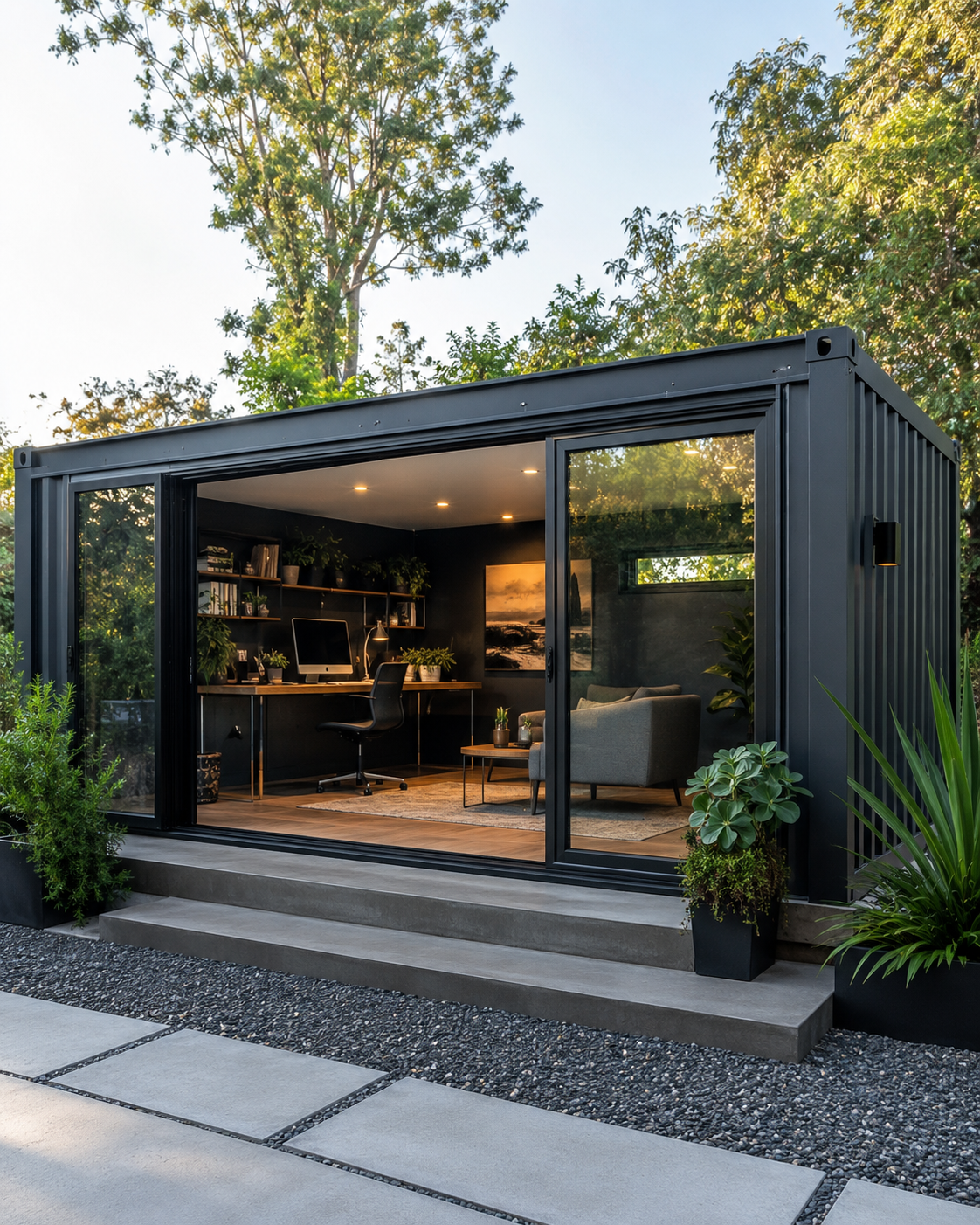 Office / studio
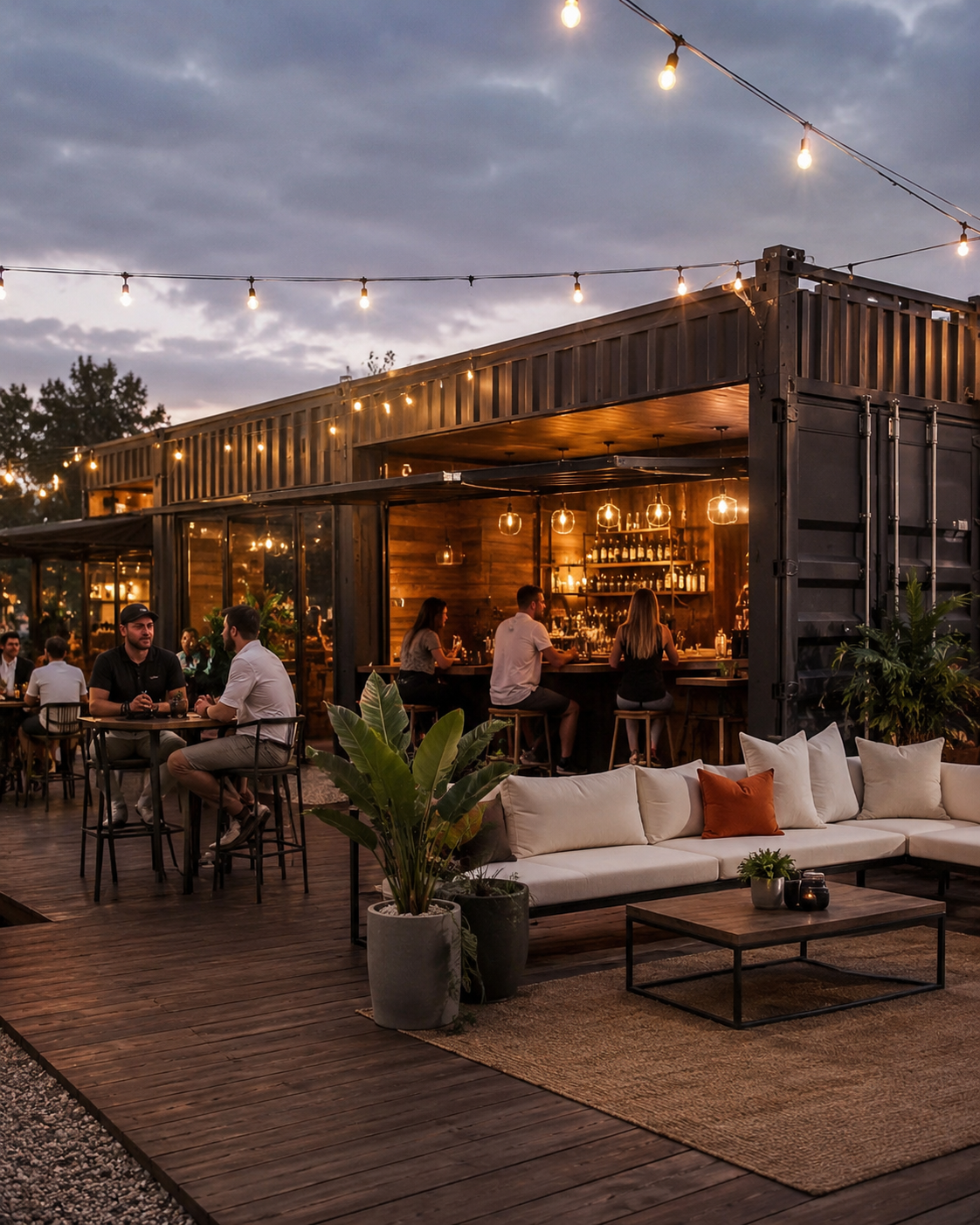 Bar / hospitality
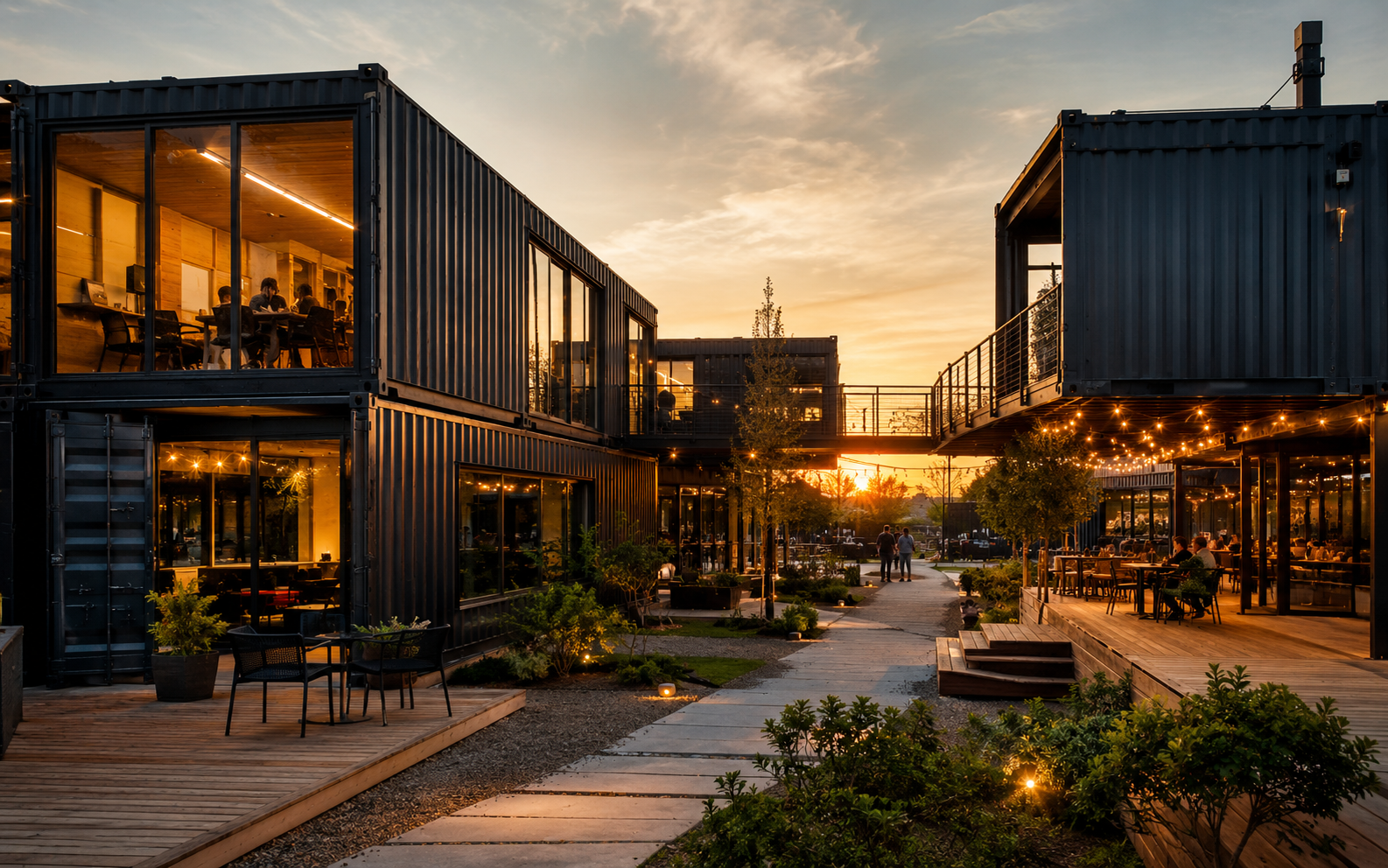
LiveWorkContainer helps turn the most ordinary object in global trade into useful, elegant, revenue-ready space: backyard offices, live/work suites, lodging pods, hospitality bars, mobile retail, workforce housing, utility support and remote facilities.
The look should not feel like a cheap container dropped in a parking lot. It should feel intentional: architecture, operations, logistics and long-term performance working together.
The best projects start with clear ideas: how it should feel, how it should function and how the container experience can look polished instead of temporary.
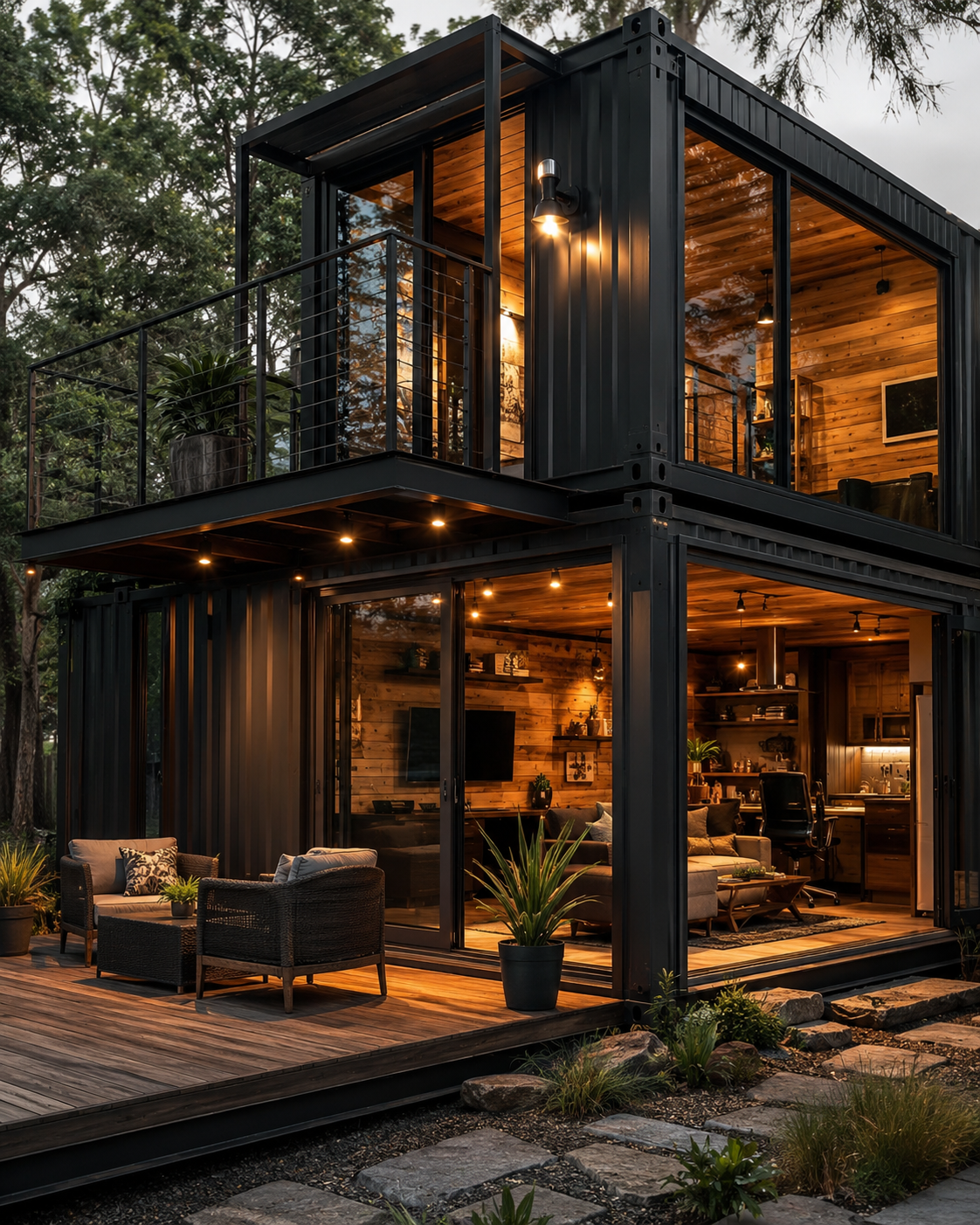
A container project is part architecture, part product design, part logistics and part local approval strategy. The theme is built around that complete lifecycle.
Concept validation, site thinking, program, budgets, approvals, architecture, engineering, resilience, circularity and capital strategy.
Fabrication strategy, off-site manufacturing, trades, interiors, utilities, logistics, installation and commissioning.
Ongoing performance, maintenance planning, utility services, weather response, resilience management and future adaptations.
The point is not the container. The point is what the container lets you launch faster, test smarter and move or scale when the site demands it.
Compact housing, studio residences, artist spaces and backyard units with intentional separation between living and working zones.
Field offices, sales studios, real estate leasing pods, mobile meeting rooms and jobsite operations spaces.
Outdoor bars, pop-up restaurants, resort cabins, event activations, ticketing, retail and back-of-house support.
Workforce housing, recovery units, utility infrastructure, mobile clinics and remote facilities designed for hard places.
Branded pop-ups, product showrooms and modular storefronts that can follow demand instead of waiting for a lease.
Lake, farm, desert, mountain and backyard spaces where durability, views and a small footprint matter.
The best container projects use the steel shell as an advantage, not an excuse. The structure can be rugged. The experience can still feel refined.
Hospitality containerWork studioLive/work suiteA simple path for a complicated build: define the use, prove the site, design the system, fabricate the modules, install the asset and monitor performance.
Project use, location, budget, timeline, code context and what success actually looks like.
Container count, site strategy, utilities, envelope, floor plan, risk and preliminary cost direction.
Architecture, engineering, interiors, permitting, resilience planning and execution strategy.
Off-site manufacturing, procurement, interior systems, site work, logistics and schedule control.
Transport, crane/set, connections, inspections, turnover and owner/operator handoff.
Performance, maintenance, utilities, climate events, future modules and operational improvements.
Share the location, use case, timing and any sketches or wild ideas you already have. A good container project starts by asking what the site and the business need before anyone cuts steel.
Every site and jurisdiction is different, but these are the early questions that shape most container projects.
Yes. Comfort comes from the full system: insulation, windows, air sealing, HVAC, finishes, acoustics, daylight, plumbing and layout. The container is the structural start, not the finished experience.
Usually yes. Zoning, building code, fire, accessibility, utility and site requirements can all apply. Feasibility should happen early so the idea fits the local approval path.
That is one of the big advantages. A tested module can become a repeatable product for hospitality, workforce housing, retail, offices, leasing centers or remote deployments.
No. Live/work is the name, but containers can be used for offices, lodging, food and beverage, back-of-house support, pop-up retail, disaster response, utilities and remote infrastructure.